Chemical Structure: Stearic acid is a long-chain
fatty acid with the chemical formula C18H36O2. It is a saturated fatty
acid, which means it contains no double bonds between carbon atoms in
its hydrocarbon chain.
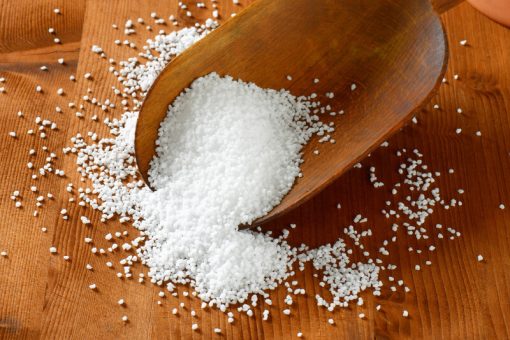
Physical State: At room temperature, stearic acid is a white, waxy solid. It is relatively insoluble in water but soluble in organic solvents.
Natural Sources: Stearic acid is found naturally in
animal fats, such as beef tallow and cocoa butter, and in some
vegetable oils, like palm oil and coconut oil.
Applications:
Cosmetics and Skincare: Stearic acid is commonly
used in cosmetics and skincare products as an emulsifier, thickening
agent, and stabilizer. It gives products a creamy texture and helps
maintain their consistency.
Candles: Stearic acid is used in candle making to harden and stabilize the wax, making candles burn longer and drip less.
Pharmaceuticals: It can be used as a tablet and capsule lubricant in the pharmaceutical industry.
Food Industry: Stearic acid is used as a food additive (E570) to prevent sugar crystallization in candies and as a release agent in baking.
Industrial Uses: It has various industrial applications, including in the production of rubber, plastics, and soaps.
Benefits of Stearic Acid:
Emulsification: It helps combine water and oil-based ingredients in cosmetic and skincare products, preventing separation.
Texture Enhancement: Stearic acid contributes to the creamy and smooth texture of many personal care items.
Longer Burn Time: In candle making, stearic acid can increase the burning time and improve the structural integrity of candles.
Food Industry: It is used to control the texture and shelf life of certain food products.
Pharmaceuticals: Stearic acid aids in the production of pharmaceutical tablets by preventing sticking to molds.
It’s important to note that stearic acid is generally recognized as
safe (GRAS) when used in approved applications and concentrations.
However, it’s essential to follow safety guidelines and use it according
to recommended practices in various industries.
To be successful your content needs to be useful to your readers.
Start with the customer – find out what they want and give it to them.
To be successful your content needs to be useful to your readers.
Start with the customer – find out what they want and give it to them.
To be successful your content needs to be useful to your readers.
Start with the customer – find out what they want and give it to them.
To be successful your content needs to be useful to your readers.